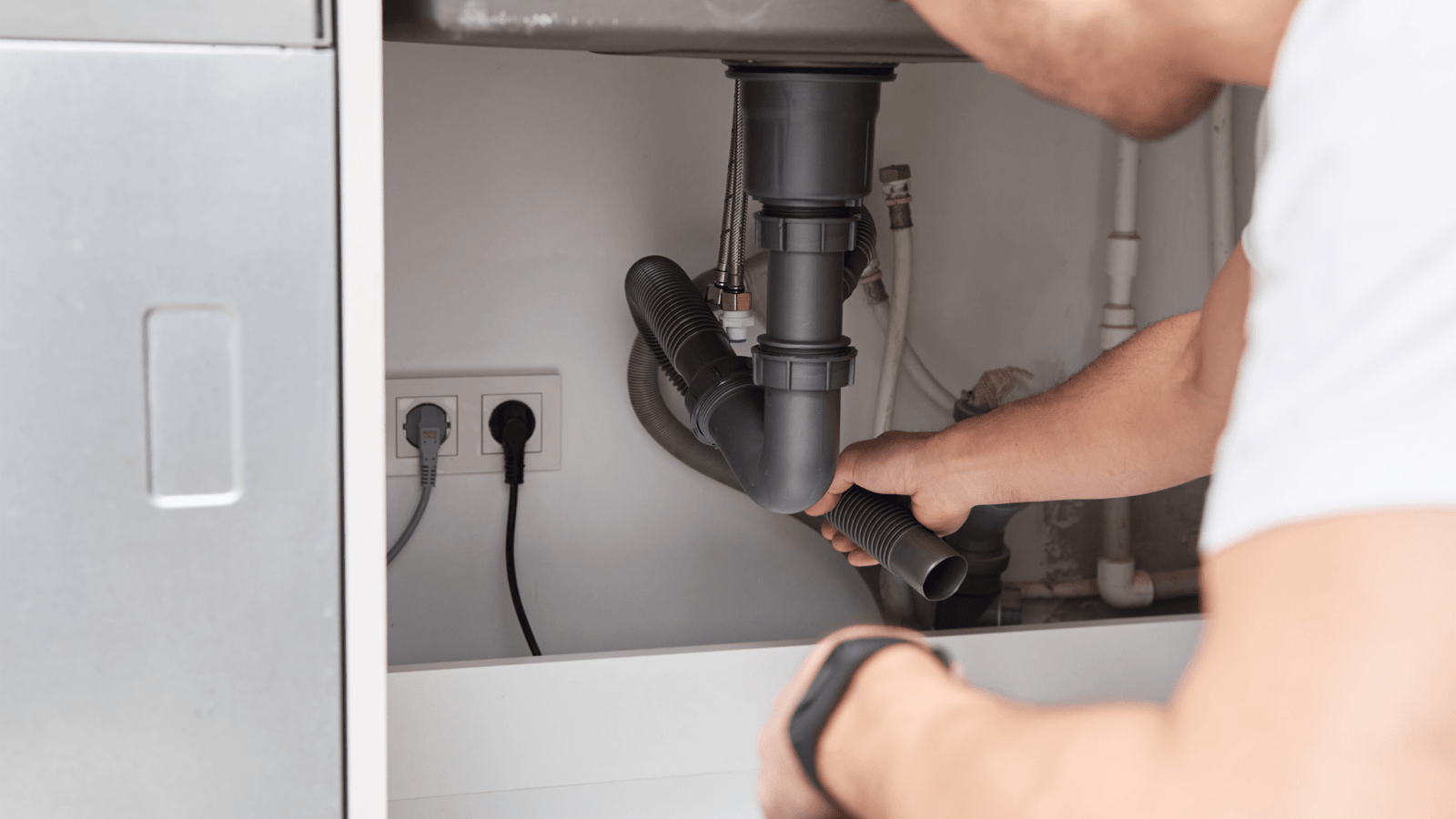
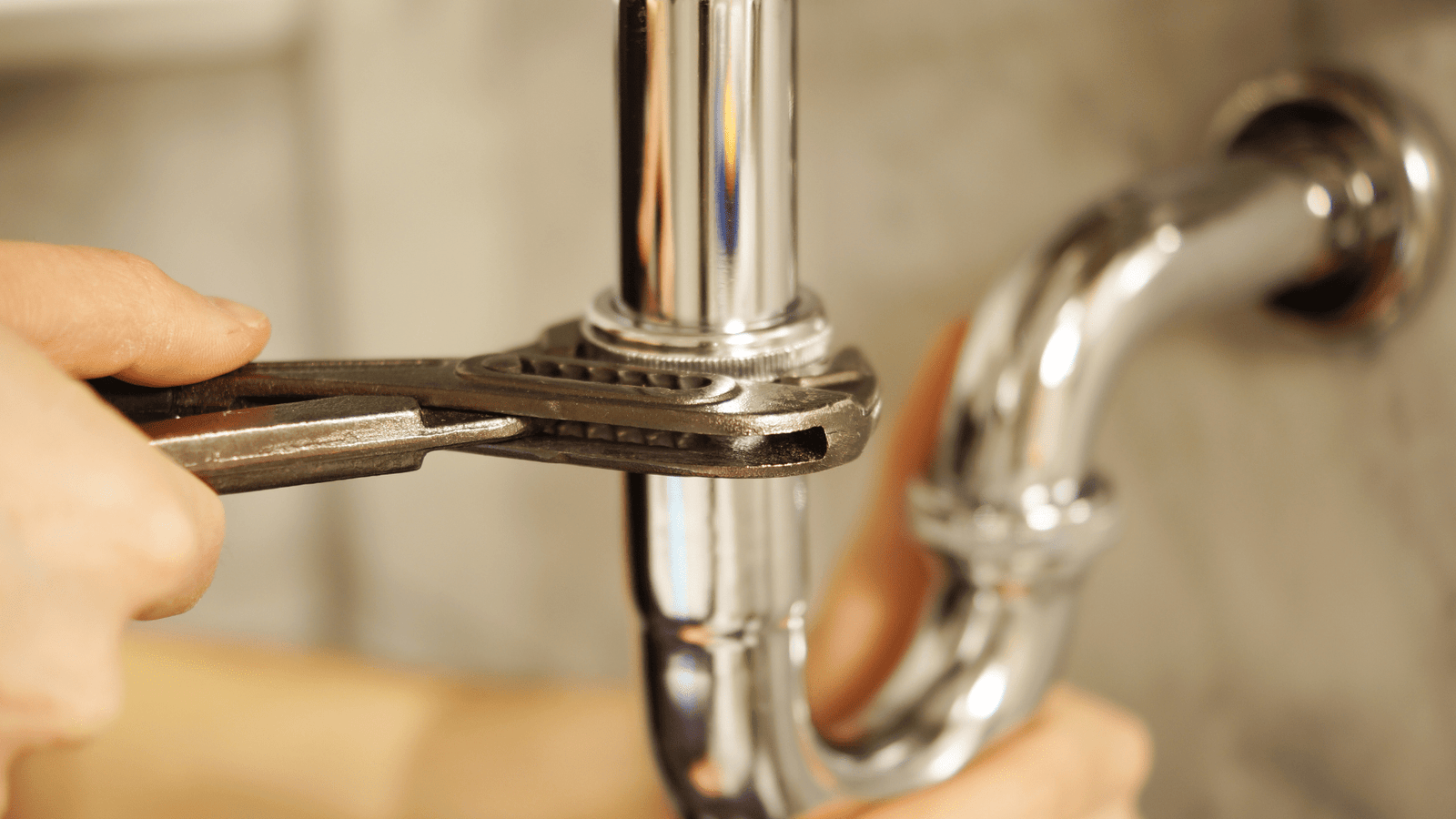
A burst pipe is one of the most stressful plumbing emergencies a homeowner can experience. Within minutes, a broken pipe can release gallons of water, causing serious damage to walls, flooring, furniture, and electrical systems. Knowing how to respond quickly can significantly reduce the damage and repair costs.
If a pipe bursts in your home, staying calm and taking the right steps immediately can protect your property and keep your plumbing system from suffering further damage. This guide explains exactly what you should do if a pipe bursts and when it is time to call a professional plumber.
Why Pipes Burst in Homes
Understanding why pipes burst can help homeowners prevent future plumbing emergencies. Pipes usually break when pressure inside the pipe becomes too high or when the pipe material weakens over time.
Some of the most common causes include:
Freezing temperatures
When water freezes inside a pipe, it expands and creates pressure that can crack or burst the pipe.
Corrosion and aging pipes
Older plumbing systems may develop weak spots due to rust or corrosion.
High water pressure
Excessively high water pressure can stress pipes and eventually cause them to rupture.
Clogs and blockages
Severe blockages increase pressure within the plumbing system.
Poor installation or damaged joints
Improperly installed pipes or loose fittings may fail under normal pressure.
While some pipe bursts happen suddenly, many are caused by long-term plumbing issues that can be prevented with regular inspections.
Step 1: Shut Off the Main Water Supply Immediately
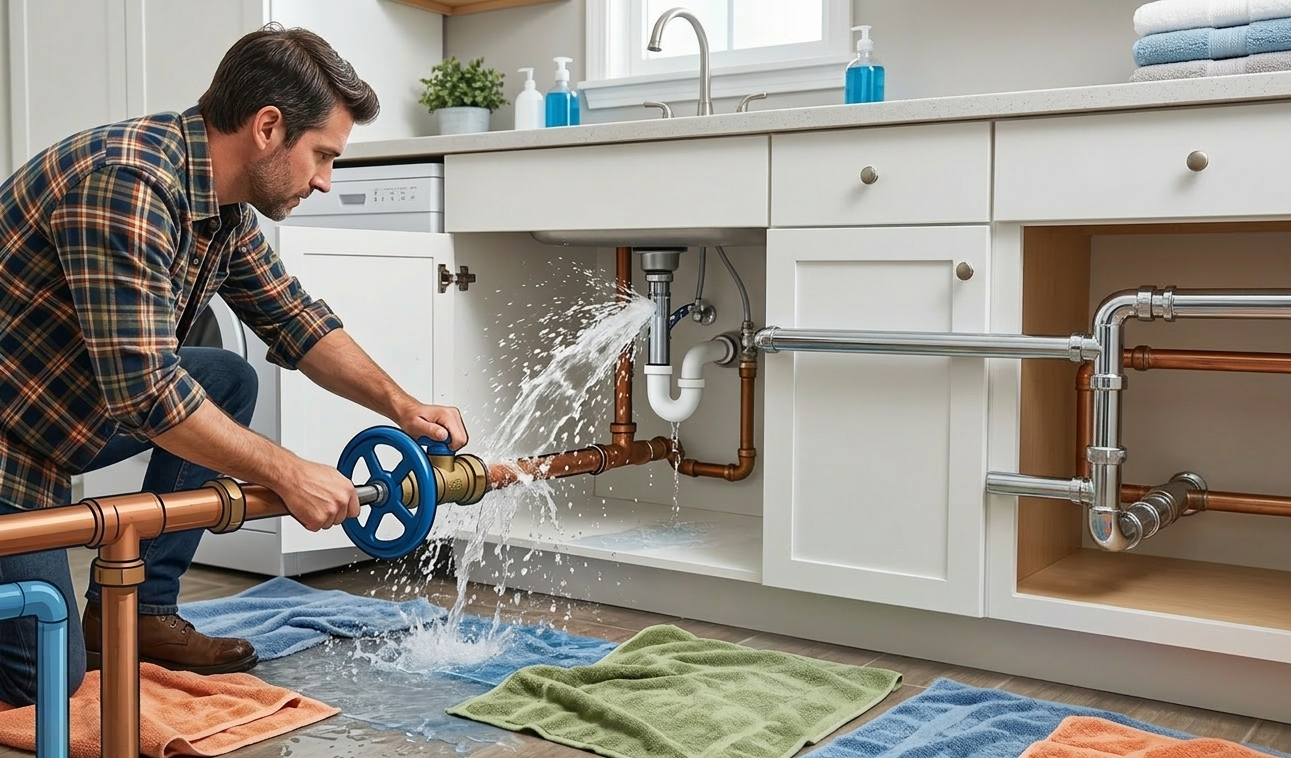
The first and most important thing you should do when a pipe bursts is turn off the main water supply to your home.
This stops water from continuing to flow through the damaged pipe and prevents additional flooding.
The main shut-off valve is typically located:
- In the basement
- Near the water meter
- In a utility room
- Outside near the foundation wall
Turn the valve clockwise to close it. If you are unsure where the valve is located, it is a good idea to identify it before an emergency occurs.
Stopping the water supply quickly can save thousands of dollars in water damage repairs.
Step 2: Turn Off Electricity if Necessary
If water from the burst pipe is spreading near electrical outlets, appliances, or breaker panels, electricity can become dangerous.
In these cases, turn off power to the affected area at your breaker box. Never touch electrical equipment while standing in water. Safety should always come first.
Step 3: Drain the Remaining Water from the Pipes
After shutting off the main water valve, open all cold-water faucets in your home.
This helps drain the remaining water from the plumbing system and relieves pressure in the pipes. Once the cold water drains, turn on the hot water taps as well to empty the hot water lines.
Flushing toilets can also help remove water from the system.
Step 4: Locate the Burst Pipe
Try to identify where the pipe has burst so you can limit water damage and give accurate information to a plumber.
Common signs of a burst pipe include:
- Water leaking from ceilings or walls
- Sudden drops in water pressure
- Puddles forming on floors
- Damp drywall or bubbling paint
- The sound of running water behind walls
Sometimes the burst pipe is visible under sinks, in basements, or near appliances. However, hidden pipe leaks may occur inside walls or ceilings.
Step 5: Contain the Water and Reduce Damage
While waiting for professional repairs, take steps to control the water and protect your home.
Helpful actions include:
- Placing buckets or containers under leaks
- Using towels or mops to soak up standing water
- Moving furniture and valuables away from wet areas
- Using fans or dehumidifiers to reduce moisture
Quick cleanup helps prevent mold growth and structural damage.
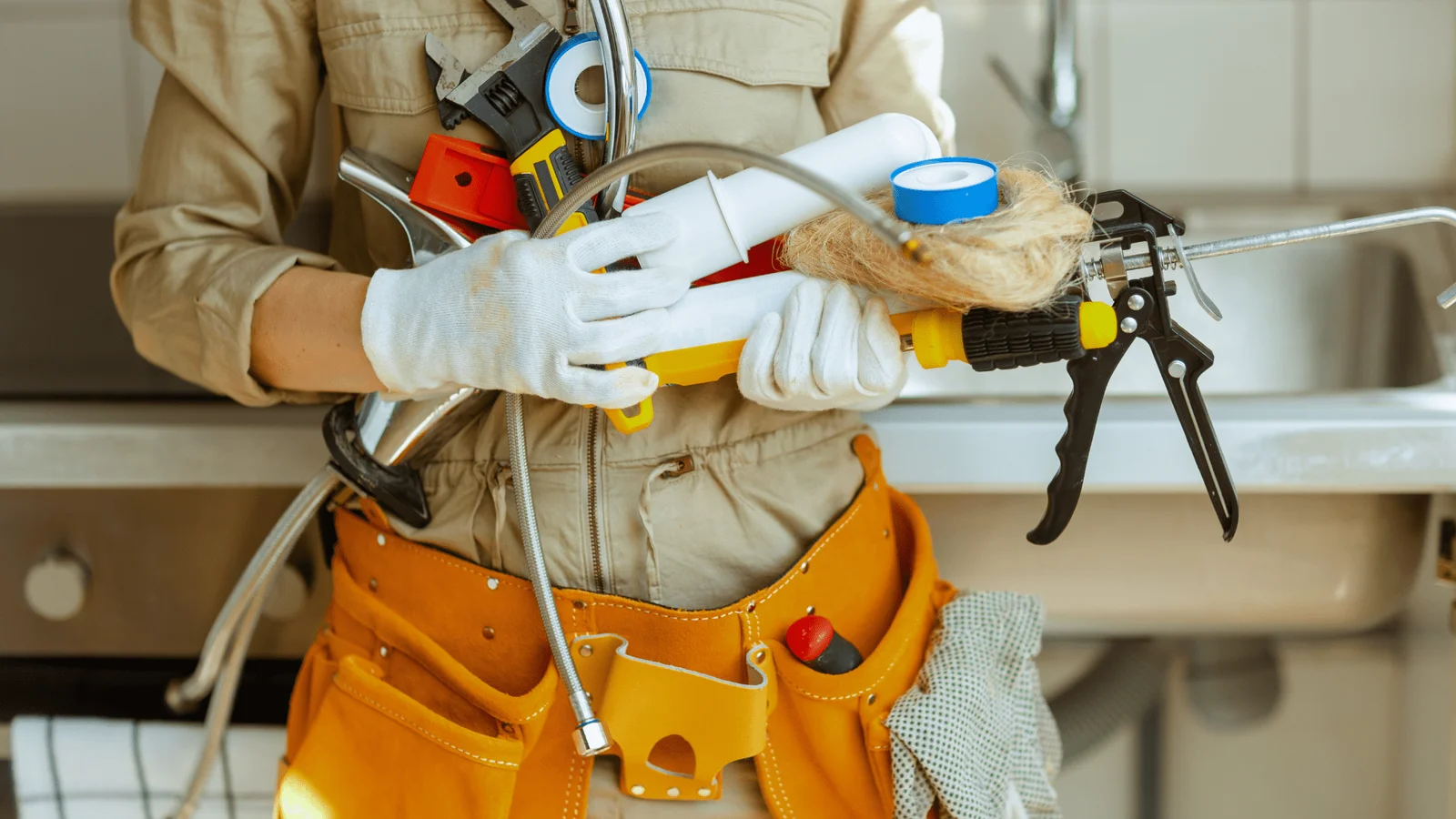
Step 6: Apply a Temporary Fix if Possible
Temporary repairs can slow leaking water until a plumber arrives.
Some common temporary solutions include:
Pipe repair tape
Special plumbing tape can help seal small cracks temporarily.
Rubber patch and hose clamp
A piece of rubber placed over the leak and secured with a clamp may slow the water flow.
Epoxy putty
This plumbing compound can temporarily seal small holes in pipes.
These solutions are only short-term fixes and should never replace professional repairs.
Step 7: Call a Professional Plumber
Even if the leak appears small, a burst pipe always requires professional repair. Plumbing systems are complex, and improper fixes can lead to additional leaks or hidden water damage.
A professional plumber will:
- Inspect the damaged pipe
- Replace the broken section
- Check surrounding pipes for weaknesses
- Ensure the plumbing system is safe and functioning correctly
Experienced plumbing companies such as Dees Plumbing & Heating respond quickly to emergency plumbing situations and can help restore your home’s plumbing safely and efficiently.
How Plumbers Repair Burst Pipes
Depending on the damage, plumbers may use several repair methods.
Common solutions include:
Pipe replacement
The damaged section of pipe is removed and replaced with new piping.
Pipe relining
In some cases, plumbers may reinforce pipes using internal lining materials.
Joint replacement
If fittings or joints failed, they may be replaced.
Professional repair ensures the issue is fixed properly and reduces the risk of future leaks.
Signs You May Have Hidden Pipe Damage
After a pipe bursts, it is important to watch for signs of additional plumbing issues.
Warning signs include:
- Water stains on ceilings or walls
- Mold or mildew smells
- Unexplained increases in your water bill
- Low water pressure
- Warped flooring
If you notice any of these problems, scheduling a plumbing inspection is recommended. Many homeowners rely on trusted local professionals like Dees Plumbing & Heating to identify hidden damage and restore their plumbing systems before small leaks turn into major problems.
How to Prevent Pipes from Bursting
While some plumbing emergencies are unavoidable, many burst pipes can be prevented with proper maintenance.
Here are some helpful prevention tips:
Insulate exposed pipes
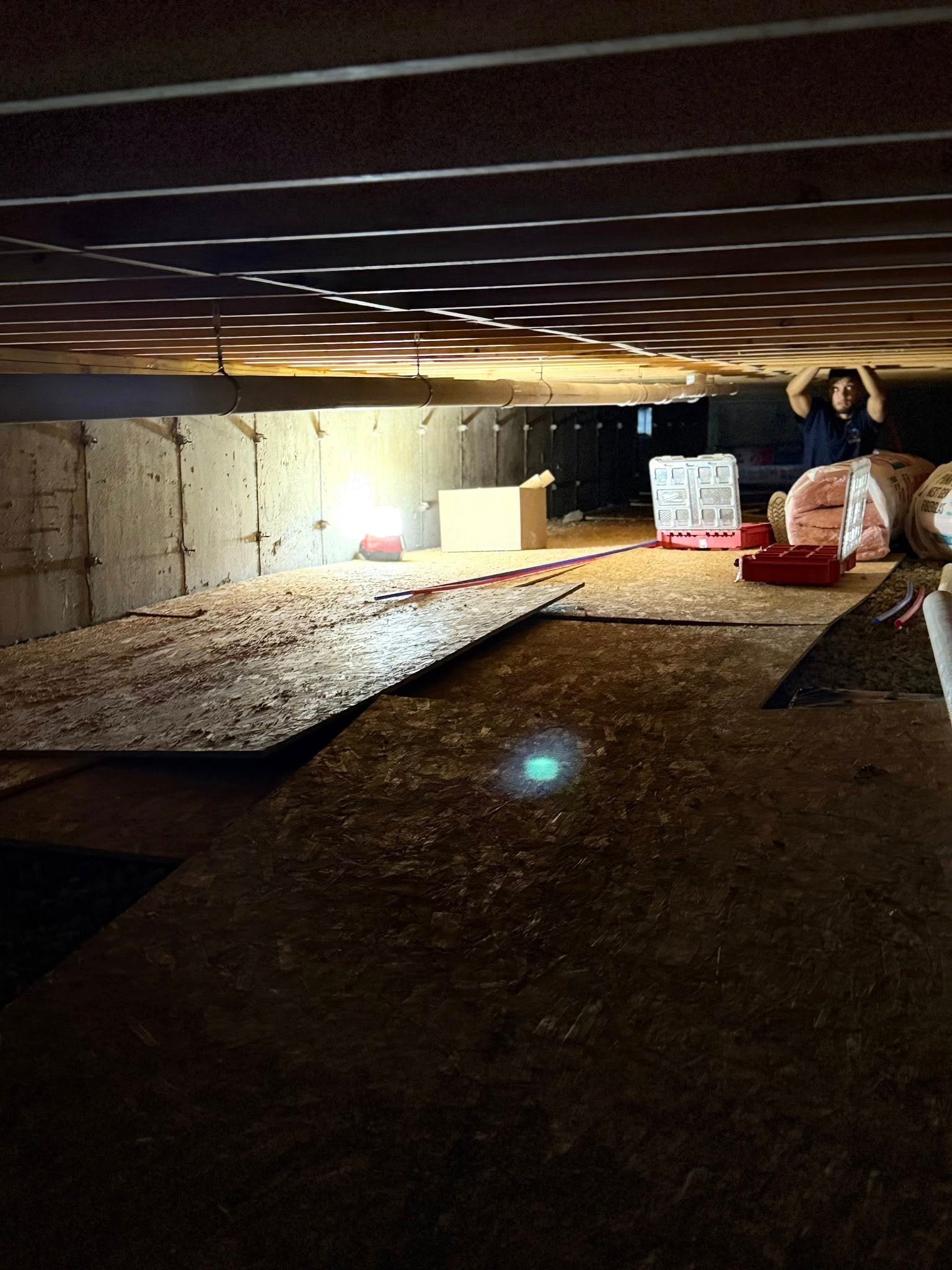
Pipes in basements, garages, and crawl spaces should be insulated to protect them from freezing.
Keep your home warm during winter
Maintain a consistent indoor temperature to prevent freezing pipes.
Check water pressure
Excessively high water pressure can damage pipes over time.
Repair small leaks early
Minor leaks can weaken pipes and eventually lead to bigger failures.
Schedule regular plumbing inspections
Routine maintenance helps identify weak pipes before they burst.
Professional plumbing inspections from companies such as Dees Plumbing & Heating can help homeowners detect early warning signs and keep their plumbing systems running smoothly year-round.
Final Thoughts
A burst pipe can cause serious water damage if not handled quickly. Acting fast by shutting off the water supply, draining the pipes, and limiting water damage can make a major difference in protecting your home.
While temporary fixes may slow the leak, permanent repairs should always be handled by a professional plumber. Regular maintenance, proper insulation, and early leak detection are the best ways to prevent burst pipes in the future.
By understanding what to do during a plumbing emergency, homeowners can stay prepared and minimize the stress and damage caused by a burst pipe.Don’t wait for water damage to get worse. Contact Dees Plumbing & Heating today to schedule a service appointment or request emergency plumbing assistance. Your home deserves reliable plumbing support from professionals you can trust.