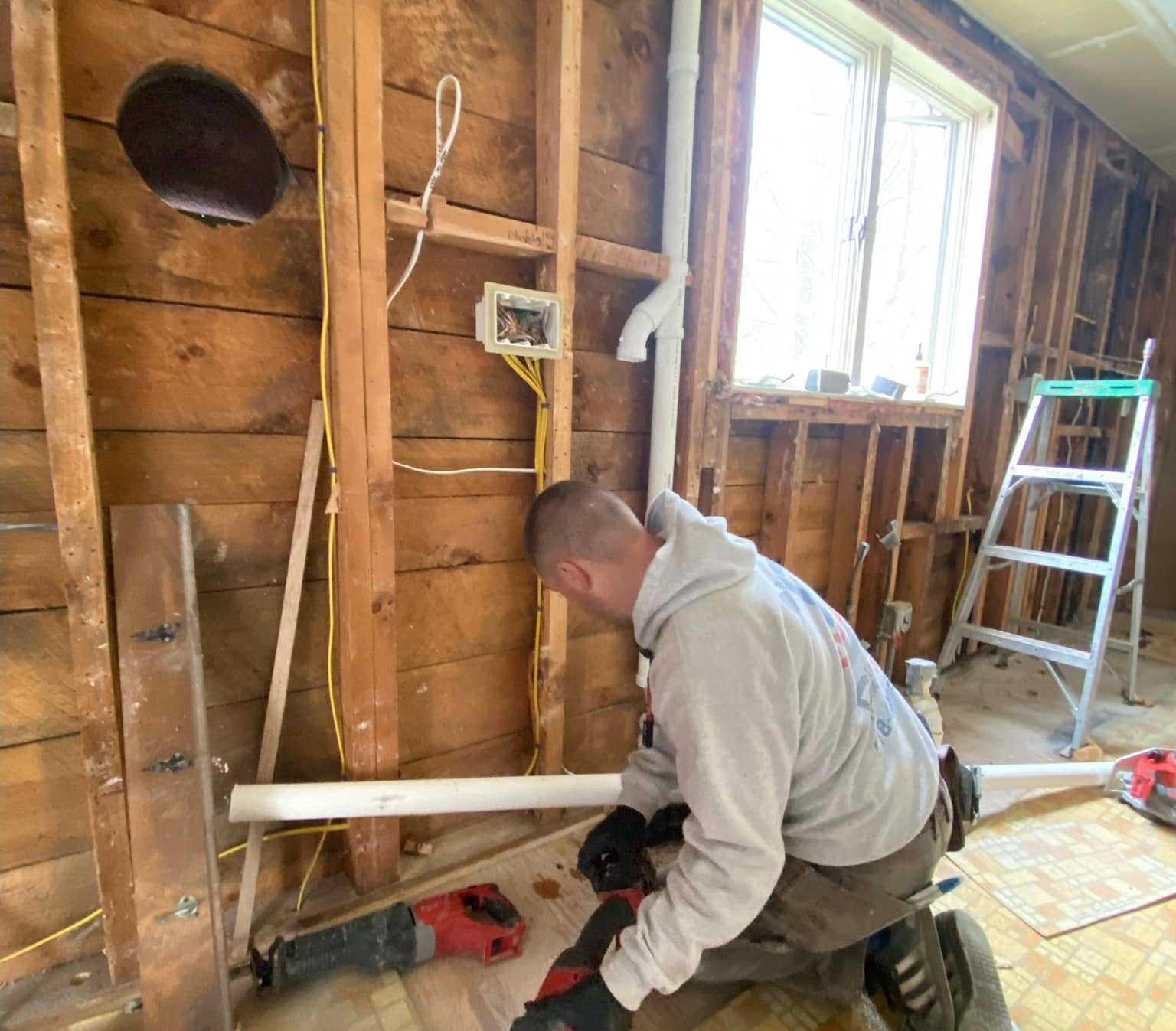
If you’re building a new home or commercial property in Dracut, MA, sewer line connections are one of the most important and most overlooked parts of the project. A poorly planned connection can delay your occupancy permit, cause drainage problems for years, or force you to dig up a finished yard or parking lot.
Dees Plumbing and Heating works with builders, general contractors, and property owners across Middlesex County to plan and install sewer connections correctly the first time.
This guide walks through what the process actually involves, what inspectors look for, and how residential projects differ from commercial ones, so you know what to expect before ground ever breaks.
What Does a Sewer Line Connection Involve?
A sewer line connection joins a building’s internal plumbing to the public sewer main, usually located under the street or in a nearby easement. The pipe that carries wastewater from the building to that main is often called the building sewer or sewer lateral.
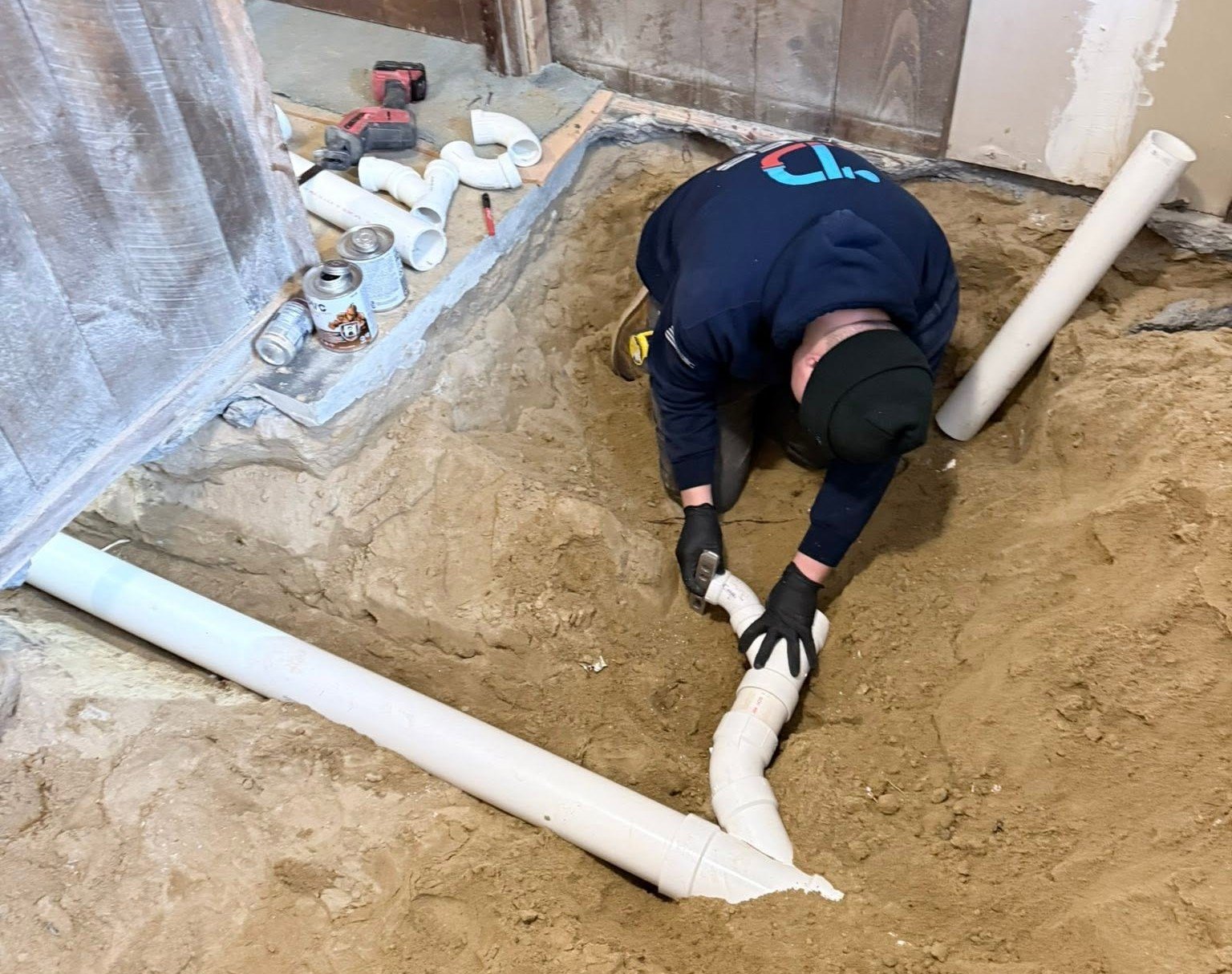
For new construction, this work typically includes trenching from the foundation to the connection point, laying pipe at the correct slope and depth, installing a cleanout for future access, and connecting to the main under permit. The trench must stay open for inspection before it’s backfilled, since correcting a buried mistake means digging everything back up.
How Long Does a New Sewer Line Connection Take?
A standard residential sewer connection usually takes one to three days once permits are approved, depending on trench depth, soil conditions, and distance to the main. Commercial projects with larger pipe diameters or multiple connection points typically take longer.
Weather, ledge or rock in the trench path, and how quickly the local inspector can schedule a site visit all affect the timeline. Scheduling the inspection early in the process, rather than waiting until the trench is dug, helps avoid delays.
Permits and Inspections for New Construction Sewer Connections
Every municipality in Massachusetts requires a permit before any sewer connection work begins, and Dracut is no exception. The Dracut Water & Sewer Division or Department of Public Works reviews the site plan, confirms pipe sizing and material, and schedules an inspection before the line is covered.
Work is typically performed or overseen by a licensed drainlayer or plumber, and the connection must pass inspection before backfilling. Exact permit fees, processing timelines, and inspection requirements for Dracut should be confirmed directly with the Dracut DPW, since these details can change and vary by project scope.
Sewer connections matter beyond the individual property, too. Poorly sealed or improperly connected laterals are a documented source of groundwater infiltration into municipal wastewater systems, which is why the Environmental Protection Agency tracks inflow and infiltration as an ongoing water infrastructure concern.
Residential vs. Commercial Sewer Line Requirements
Residential and commercial sewer connections follow the same basic principles but differ in scale and complexity. A single-family home typically needs one connection sized for household fixture counts, often planned alongside other residential plumbing work like fixture and supply line rough-ins. A commercial building a restaurant, medical office, or multi-unit property often needs larger diameter pipe, grease interceptors for food service, or multiple connection points depending on layout.
Commercial projects are also more likely to involve engineered site plans, coordination with a general contractor’s schedule, and stricter inspection requirements tied to occupancy permits. Dees Plumbing and Heating handles both, and our commercial plumbing team is familiar with the documentation commercial inspectors expect.
Why Hire a Licensed Plumbing Contractor for Your Sewer Connection
Sewer line work is regulated for a reason: a mistake in slope, pipe material, or depth isn’t always visible until there’s a backup, a wet yard, or a failed inspection months later. A licensed contractor knows local code requirements, pulls the correct permits, and coordinates inspection timing so the project doesn’t stall.
Dees Plumbing and Heating provides new construction plumbing and heating services for residential and commercial builds throughout Dracut and surrounding Middlesex County towns, including sewer line connections from the design stage through final inspection.
For builders juggling multiple trades on one site, coordinating sewer work alongside framing and other subcontractors is exactly the kind of scheduling headache a single plumbing and heating contractor can eliminate on new builds. Dees Plumbing and Heating is a licensed plumbing contractor serving Dracut and nearby Massachusetts communities.
Planning a New Build? Get Your Sewer Connection Right the First Time
Sewer line connections set the foundation for everything else in a new build, and getting them wrong is expensive to fix once the trench is closed. Dees Plumbing and Heating handles permitting, installation, and inspection coordination for residential and commercial projects across Dracut and Middlesex County.
Once your system is in and the property is occupied, routine sewer line inspections help catch small issues before they become expensive ones. Contact Dees Plumbing and Heating to plan your sewer line connection before construction begins.
FAQs
How long does it take to connect a sewer line for new construction?
A residential connection typically takes one to three days once permits are approved. Commercial projects with larger pipe or multiple connections generally take longer, depending on site conditions.
Do I need a permit to connect a new sewer line in Dracut, MA?
Yes. All sewer connections in Dracut require a permit from the local Water & Sewer Division before work begins, and the connection must be inspected before backfilling.
What’s the difference between a residential and commercial sewer connection?
Residential connections are typically sized for a single household. Commercial connections are often larger, may require grease interceptors or multiple connection points, and involve stricter inspection tied to occupancy permits.
Why should I hire a licensed plumber for a sewer line connection instead of doing it myself?
Sewer line work is regulated, and errors in slope, depth, or pipe material often aren’t visible until there’s a backup or failed inspection. A licensed contractor handles permitting and code compliance correctly the first time.