Building a new home is exciting. But once the framing goes up and the walls start taking shape, one of the most important decisions you will make is how to plan your plumbing. Specifically, where your fixtures and faucets go, when they get installed, and who handles the work. Get this wrong, and you are looking at costly rework, failed inspections, and delays that push your move-in date back by weeks. Get it right, and everything flows smoothly from day one. This guide walks you through exactly how fixture and faucet installation in a new build works, from the early planning stages all the way through final hookup. Whether you are a homeowner overseeing your own project or working alongside a general contractor, understanding this process will help you avoid the most common and expensive mistakes. At Dees Plumbing and Heating, we handle new construction plumbing in Dracut, MA and surrounding areas every day, and the steps we cover here are exactly what we follow on every job.
Why Fixture Planning Has to Happen Before Walls Close
Most people think about faucets and fixtures when they are choosing finishes. But the real planning has to happen long before that, during the rough-in phase. Rough-in plumbing refers to all the supply lines, drain pipes, and vent stacks that get installed inside your walls and floors before they are closed up. If your plumber does not know where each fixture goes before rough-in begins, those pipes end up in the wrong place. Moving them later means opening up finished walls, which is time-consuming and expensive.
This is why fixture placement decisions need to be locked in on your blueprint before a single pipe is set. Work with your architect, designer, and plumber as a team early on. Each fixture, every toilet, sink, shower, bathtub, dishwasher, laundry hookup, and outdoor hose bib, needs a defined location on the plan before rough-in starts.
The Three Stages of Plumbing in a New Build
New construction plumbing happens in three distinct stages. Understanding each one helps you know what to expect and when to make decisions.
Stage 1: Underground Rough-In
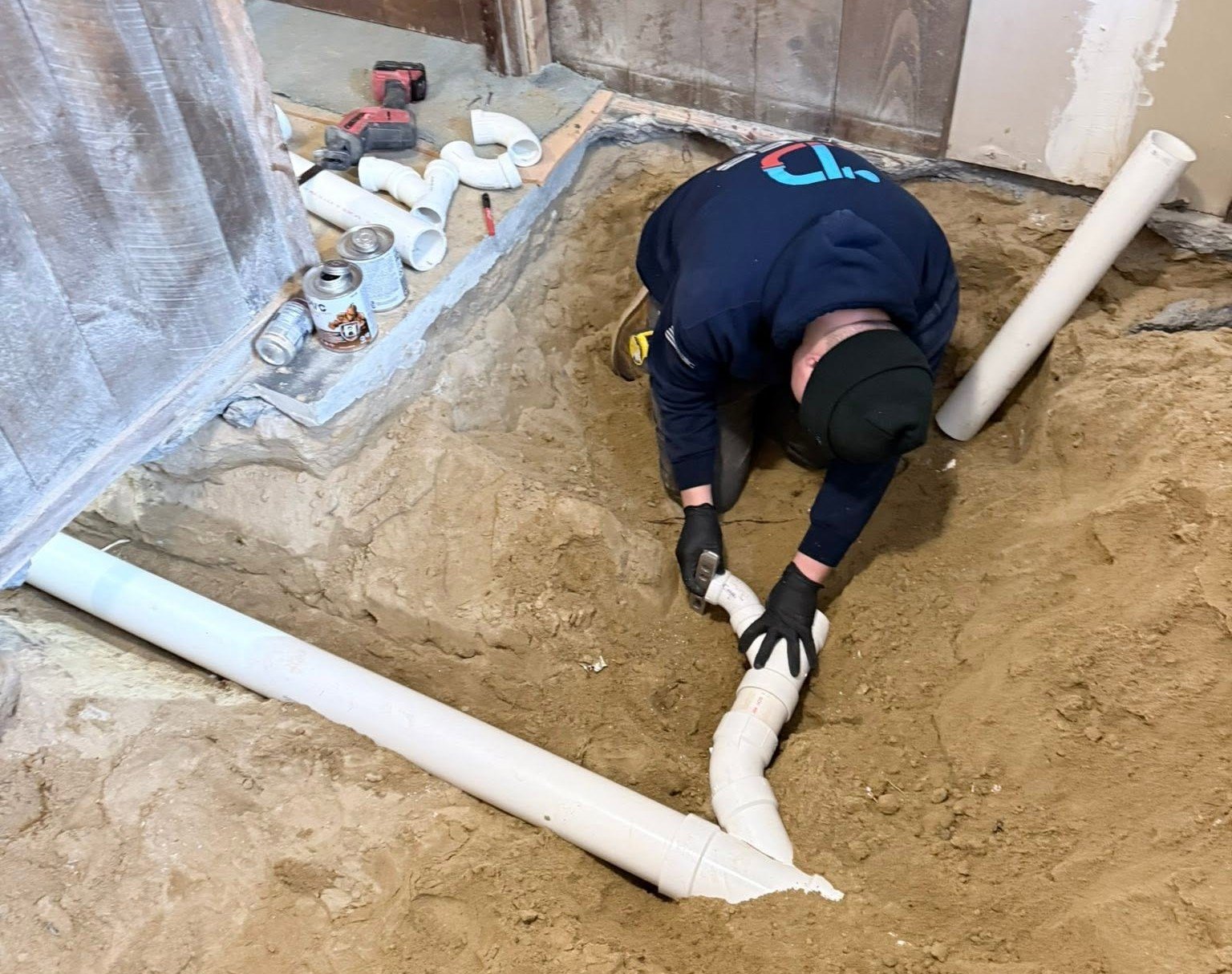
Before the concrete slab is poured, or at the very start of construction on a crawl space or basement build, your plumber installs the underground drain lines. These include the main sewer line connection and any below-floor drain pipes. This work must be done and inspected before the slab goes down. There are no do-overs here.
Stage 2: Above-Ground Rough-In
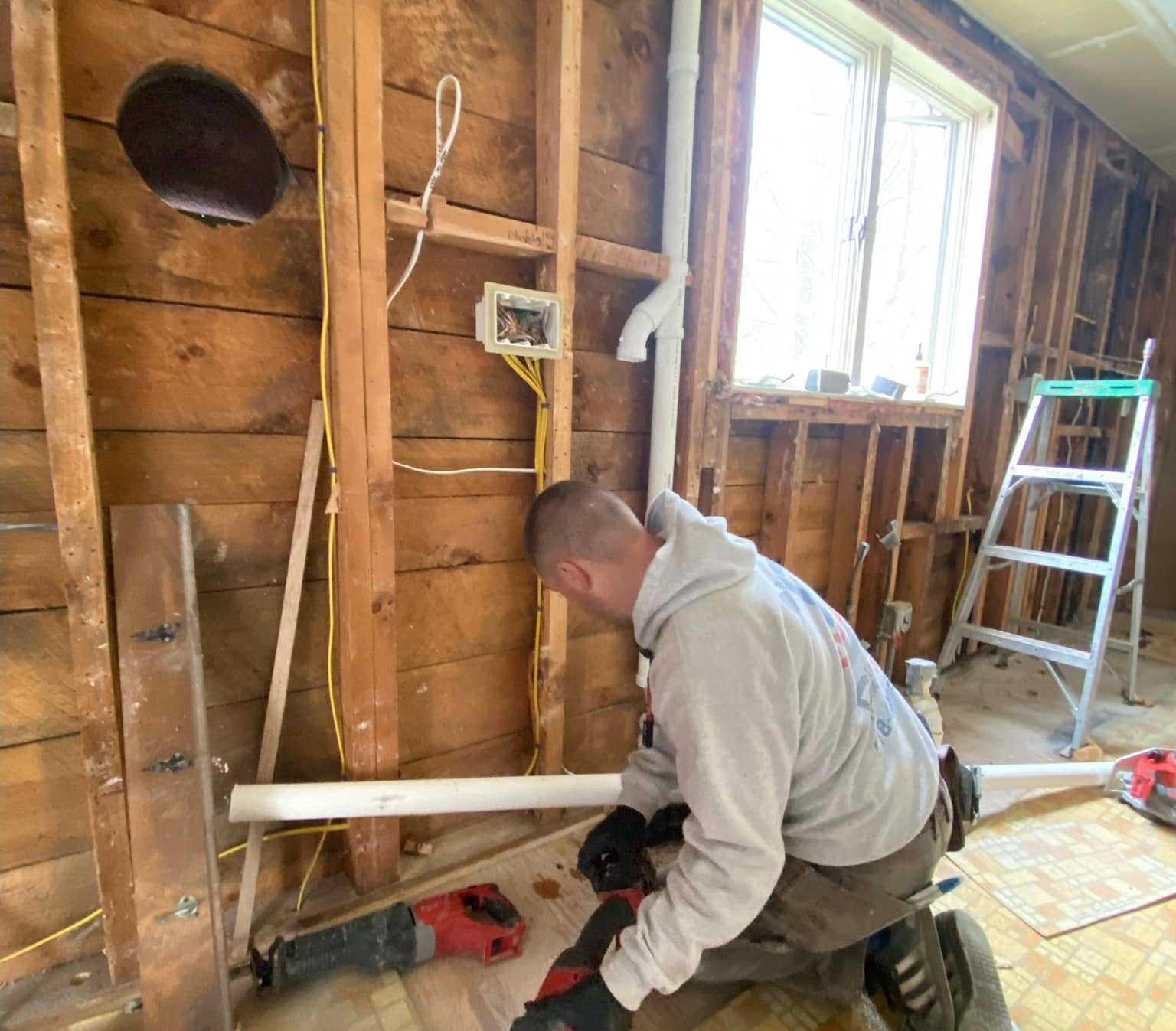
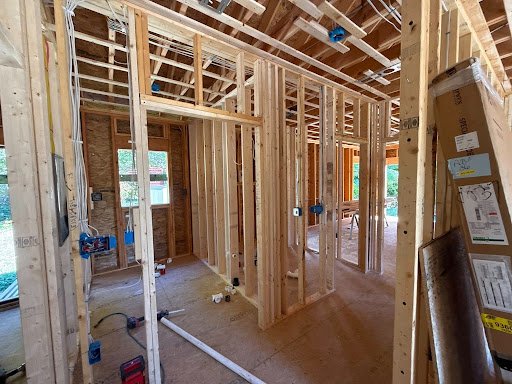
Once framing is complete, your plumber runs the water supply lines, drain and vent pipes through the walls, floors, and ceilings. This is when the precise locations of all your fixtures get set in the form of stub-outs, which are short pipe sections that stick out from the wall or floor at the correct height and position for each fixture. Shut-off valves are also roughed in at this stage for each supply point. A rough-in inspection by your local building authority is required before walls can be closed.
Stage 3: Final Trim and Fixture Installation
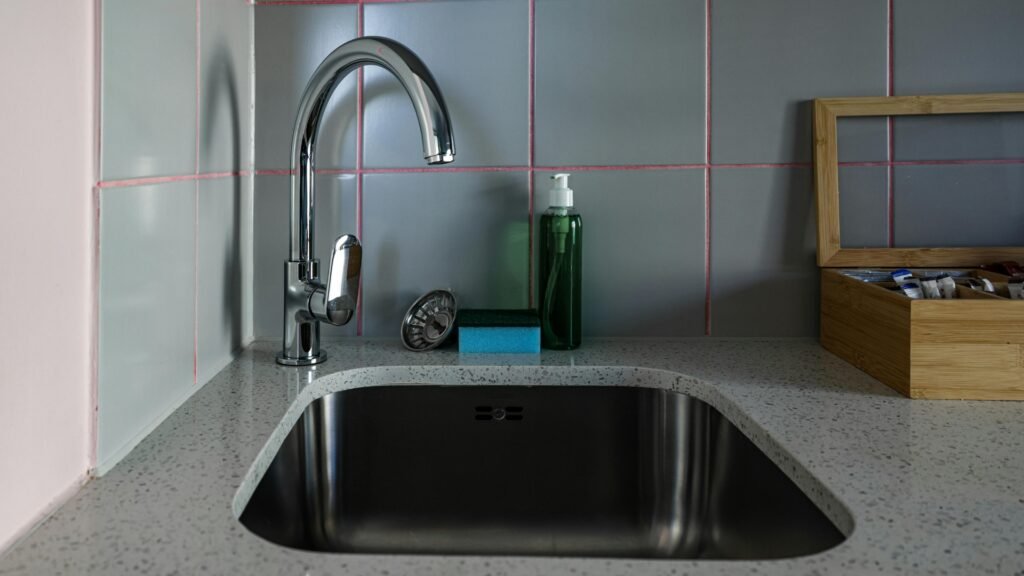
After walls are finished, flooring is down, and cabinets are set, your plumber returns for the final trim-out. This is when the actual fixture and faucet installation happens. Toilets, sinks, shower valves, tub spouts, dishwashers, and all other fixtures are set in place and connected to the stub-outs that were installed during rough-in. If the rough-in was done correctly, this final stage is clean, fast, and stress-free.
What to Decide Before Rough-In Plumbing Begins
There are several decisions you need to make before your plumber can start rough-in. Delaying these decisions delays your entire project.
• Fixture count and type: How many bathrooms, and what goes in each one? A standard toilet rough-in sits 12 inches from the finished wall. Freestanding tubs need different supply and drain positions than alcove tubs. Know what you are installing before rough-in starts.
• Kitchen layout: Is the sink centered under a window? Is there a kitchen island with a second sink? Does the dishwasher sit to the left or right of the sink? All of these affect where supply and drain lines are run.
• Shower and tub configuration: Standard shower valves are placed at a specific height. If you want a rain head plus a handheld, the rough-in is different than a single-valve setup. Decide this early.
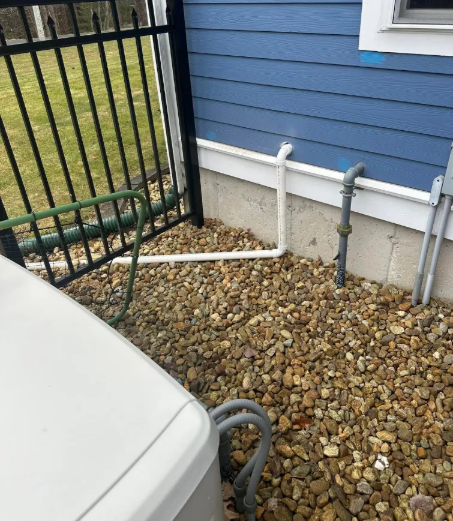
• Appliance locations: Washing machine hookups, refrigerator ice lines, outdoor hose bibs, and bar sink locations all need to be on the plan.
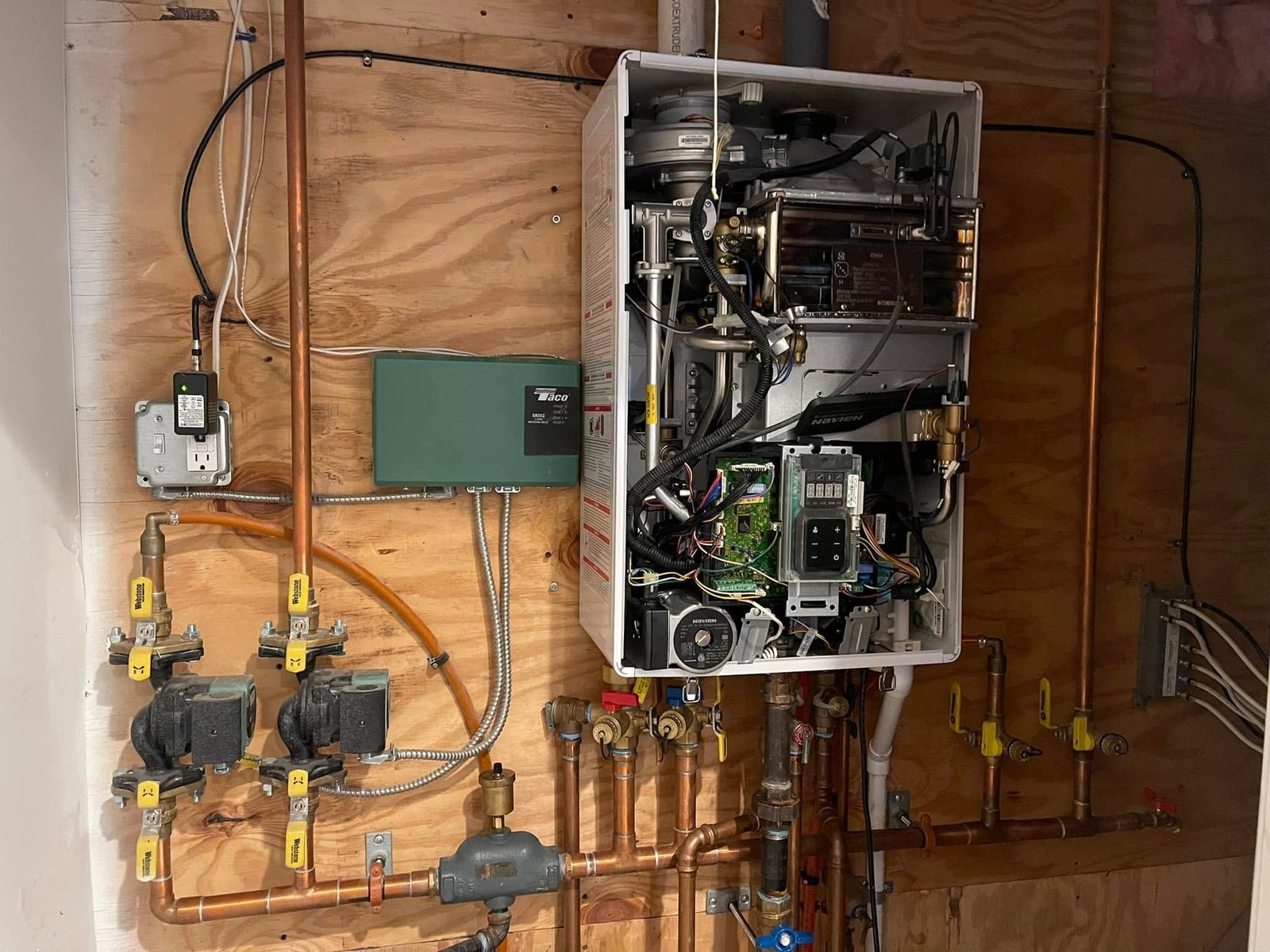
• Water heater placement: Whether you are going with a traditional tank, a tankless system, or a heat pump water heater, your plumber needs to know the location so they can run the supply lines and venting accordingly.
Common Mistakes Homeowners Make with New Build Plumbing
Even well-organized construction projects run into plumbing problems. Here are the most common ones and how to avoid them.
• Choosing fixtures after rough-in: Buying your faucets and fixtures after the walls are closed is risky. Different manufacturers have different rough-in requirements. Always choose your fixtures first and give the specs to your plumber before rough-in.
• Not accounting for water pressure: A new build needs a pressure-balancing valve in showers and tubs to prevent scalding. This is actually required by the Massachusetts State Plumbing Code. Make sure your plumber includes this in the plan.
• Skipping individual shut-off valves: Every fixture should have its own shut-off valve. This lets you turn off water to a single sink or toilet without shutting off water to the whole house. It is a basic requirement in most jurisdictions, including Massachusetts.
• Poor drain venting: Every drain needs to be properly vented so water flows out smoothly and sewer gases stay out of the home. Improper drain and vent system design is one of the most common causes of slow drains, gurgling pipes, and failed inspections in new construction.
• Hiring an unlicensed plumber to save money: In Massachusetts, all plumbing work must be done by a licensed plumber. The work must also pass inspection by the local building department. An unlicensed contractor cannot pull permits, which means the work cannot be inspected and your certificate of occupancy may be delayed or denied.
According to the Massachusetts Division of Professional Licensure, all plumbing installations in the Commonwealth must be performed by a licensed plumber. Residential work requires a Master Plumber or Journeyman working under a Master. This requirement exists specifically to protect homeowners from unsafe work and to ensure all systems meet the state plumbing code before walls are closed or occupancy is granted.
How to Work with Your Plumber on a New Construction Project
A good plumber on a new construction job is not just someone who shows up and installs pipes. They are a key part of your build team. Here is how to get the most out of that relationship.
• Bring your plumber in early: Ideally, your plumber should review the plans before framing starts. They can spot issues with fixture locations, drain paths, or venting requirements that might be hard or expensive to fix later.
• Share your fixture specifications: Give your plumber the installation sheets for every fixture you plan to use. These documents show the exact rough-in dimensions the manufacturer requires.
• Stay on top of the inspection schedule: Your plumber pulls the permits. Make sure you know when rough-in inspections are scheduled so construction does not move ahead before the work is approved.
• Plan for future changes: If there is any chance you might add a bathroom in the future, roughing in a drain and supply line now costs very little. Adding it after the fact costs a lot.
Frequently Asked Questions
When should fixture and faucet installation happen in a new build?
Fixture and faucet installation is the final stage of plumbing in a new build, called trim-out. It happens after walls are painted, flooring is installed, and cabinets are set. The earlier rough-in phase sets the supply and drain locations. The final installation connects everything together. Trying to install fixtures before finishes are done usually leads to damage or rework.
Can I change the location of a fixture after rough-in is done?
You can, but it is expensive. Moving a fixture location after rough-in means opening walls, rerouting pipes, and scheduling a new inspection. If walls are already closed, the cost increases significantly. This is why confirming every fixture location before rough-in begins is so important.
Do I need a permit for plumbing in a new build in Massachusetts?
Yes. All new construction plumbing in Massachusetts requires permits pulled by a licensed plumber. The work must pass both a rough-in inspection and a final inspection before the home can receive a certificate of occupancy. Skipping permits is not a shortcut. It creates legal and financial problems when you go to sell the home.
How long does plumbing take for a new home?
The timeline depends on the size of the home and the number of fixtures. A standard single-family home typically requires two to four days for rough-in work and one to two days for final fixture installation. Scheduling inspections between stages adds time to the overall timeline, so coordination between your plumber, contractor, and local building department matters a great deal.
Get Your New Build Plumbing Done Right from Day One
Planning your fixture and faucet installation correctly from the start saves you time, money, and stress throughout your entire build. The key is early coordination, locked-in fixture decisions before rough-in, and working with a licensed plumber near you who understands new construction from the ground up. Dees Plumbing and Heating serves homeowners and builders across Dracut, Lowell, Tewksbury, and surrounding Massachusetts communities. We handle every phase of new construction plumbing, from underground rough-in to final fixture installation, and we work directly with your general contractor to keep your build on schedule.
Ready to get started? Request a free quote today and let us help you build it right.